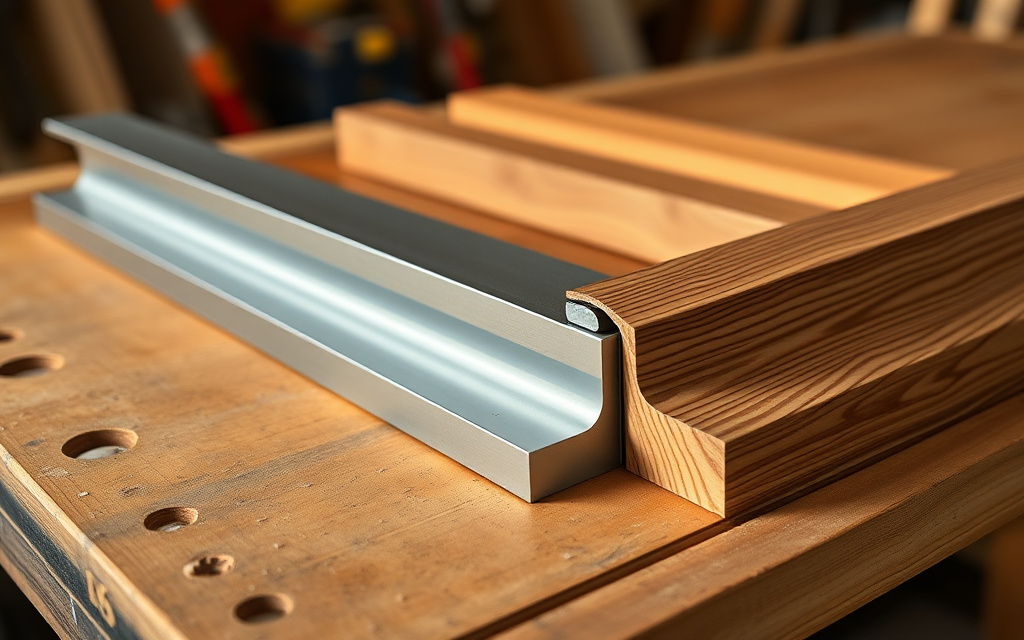
Picking a patio cover in the East Valley isn't like picking one in San Diego or Denver. Our climate is brutal in a very specific way: triple-digit heat for months, a monsoon season that slams the valley with wind and driven rain, and UV so intense it bleaches almost anything left outside. The material you choose has to survive all three at once — for twenty years, not two.
So when homeowners ask us for the best patio cover material Arizona conditions demand, the honest answer starts with what the desert actually does to each option. Let's walk through it the way we would during a design consultation.
Why Material Matters More in the Desert
In a mild climate, almost any cover material lasts a reasonable time. Here, the environment is the deciding factor — not the look, not the brochure.
Three forces work against every backyard structure in Chandler, Gilbert, and Mesa:
- Heat. Surface temperatures on exposed materials climb far above the 115°+ air temperature. Materials that hold heat radiate it right back down onto your patio.
- Monsoon cycle. July through September brings humidity swings and wind gusts that routinely hit 60–70 mph. Materials that absorb moisture swell, then crack when they dry out.
- UV exposure. Arizona sun fades finishes, dries out wood fibers, and breaks down anything not engineered to resist it.
The best material shrugs off all three without asking you to babysit it every spring. That's the lens we'll use for the rest of this guide.
Wood Covers in Arizona: The Look vs. the Reality
Wood is beautiful. A stained cedar or redwood pergola has a warmth and character that manufactured materials work hard to imitate. On day one, nothing looks better.
The problem is day 700.
Here's what actually happens to a wood cover in the East Valley:
- Re-staining every 2–3 years. UV strips the finish fast. Skip a cycle and the wood grays, dries, and starts to check.
- Cracking and splitting. The daily swing between bone-dry afternoons and monsoon humidity makes wood expand and contract, showing up over time as splits, warping, and loose joints.
- Termites. Ground-contact posts and untreated lumber are an open invitation — a real, ongoing concern across the valley.
- Ongoing labor. Sanding, sealing, tightening hardware — a wood cover is a recurring weekend project, not a one-time build.
We still build wood when a homeowner truly wants that natural look and accepts the upkeep. But most people who choose wood for cost reasons regret it within a few summers, because the "savings" get eaten up by stain, sealant, and their own weekends.
Alumawood Explained: Insulated Aluminum Built for the Sun
Alumawood is aluminum that's embossed with a wood-grain texture and factory powder-coated. From the patio it reads like painted wood — but it behaves like metal engineered for the desert.
What makes it work here:
- It doesn't absorb water. No swelling, no cracking, no rot, no termites — the monsoon cycle simply doesn't touch it.
- Insulated panels run cooler. Alumawood roof panels are hollow and foam-filled, so the underside stays noticeably cooler than solid, exposed metal. Insulated solid-roof panels block radiant heat before it ever reaches the space below.
- Factory finish resists UV fade. The powder-coat is baked on and carries a manufacturer finish warranty — a different world than stain that burns off in two summers.
- Color and texture options. Multiple wood-tone and neutral finishes match your home and satisfy most HOA color requirements.
"Does Alumawood get hot?" is the question we hear most. The top surface warms up like anything in direct sun, but because the panels are insulated, the underside — the part over your head — stays far more comfortable than solid aluminum or a bare wood cover. That insulation is the whole point.
Solid Aluminum and Steel: When to Step Up
Alumawood covers the majority of residential patios beautifully. But some projects need more muscle.
Solid (non-embossed) aluminum is lightweight, rust-proof, and powder-coated for UV and corrosion resistance — a clean, modern look that's ideal for most covers and pergolas.
Steel is where you go when you need strength: larger clear spans, higher wind loads, or a bold architectural frame. We specify steel for big freestanding pergolas, ramadas, and commercial structures where aluminum would need more posts than the design allows. Steel gets powder-coated too, so it holds up against sun and corrosion.
A quick way to think about it:
- Small-to-medium attached cover, budget-conscious, wood look → Alumawood
- Modern residential cover or pergola → solid aluminum
- Long spans, high wind exposure, or a statement structure → steel
10-Year Cost of Ownership Comparison
Up-front price tells only part of the story. What actually matters is what you spend — in dollars and weekends — over the life of the cover. Here's how the four materials stack up over roughly a decade in the Arizona climate.
| Factor | Wood | Alumawood (insulated aluminum) | Solid Aluminum | Steel |
|---|---|---|---|---|
| Up-front cost | Lowest | Moderate | Moderate | Highest |
| Re-staining / repainting | Every 2–3 yrs | None | None | None |
| Cracking / warping | Common | None | None | None |
| Termite risk | Yes | None | None | None |
| UV fade resistance | Poor (needs re-finishing) | Excellent (factory warranty) | Excellent | Excellent |
| Underside heat | Warm | Coolest (insulated) | Warm | Warm |
| Max span / wind capacity | Limited | Good | Good | Highest |
| Realistic 10-yr maintenance | High | Very low | Very low | Very low |
Our Recommendation by Budget
- Value pick for the desert: Insulated Alumawood. It's the sweet spot — the wood look, the coolest underside, and effectively zero maintenance. For most Chandler-area homeowners, this is our default recommendation.
- Modern / mid-range: Solid aluminum for clean lines and long life without the wood-grain texture.
- Big spans or high exposure: Steel, engineered for larger openings, ramadas, and commercial jobs.
- Only if you love the natural look and accept the upkeep: Wood — go in with eyes open about the re-staining and monsoon-season wear.
Frequently Asked Questions
Does Alumawood get hot in the Arizona sun? The top surface warms up like any material in direct sun, but Alumawood panels are hollow and foam-insulated, so the underside stays noticeably cooler than solid metal or exposed wood. Insulated solid-roof panels keep the patio below the most comfortable.
Is a wood patio cover a bad idea in Arizona? Not bad — just high-maintenance. Wood looks great but needs re-staining every 2–3 years and is prone to cracking, warping, and termites in our climate. If you love the natural look and accept the upkeep, it can work. Most homeowners prefer Alumawood for its zero-maintenance finish.
When should I choose steel over aluminum? Choose steel when you need to span a large opening, hit a higher wind load, or build a bold freestanding structure like a ramada or commercial cover. For most residential patios, powder-coated aluminum or Alumawood is plenty strong and lighter.
Which material stays coolest underneath? An insulated solid-roof cover — typically Alumawood insulated panels — blocks the most radiant heat and keeps the space below the coolest. A louvered roof is a close second because you can angle the blades to fully shade the midday sun.
Let's Find the Right Material for Your Yard
The best material depends on your home, your budget, your shade goals, and your HOA — which is exactly why we start every project with a free design consultation. We'll measure your space, talk through Alumawood, aluminum, steel, and wood, and give you a firm, itemized quote engineered for Arizona's heat and monsoon season.
We build for homeowners across Chandler, Gilbert, Mesa, Queen Creek, and Tempe. Call 844-967-5247 to schedule your free consultation and get a cover that still looks great — and still stands strong — a decade from now.