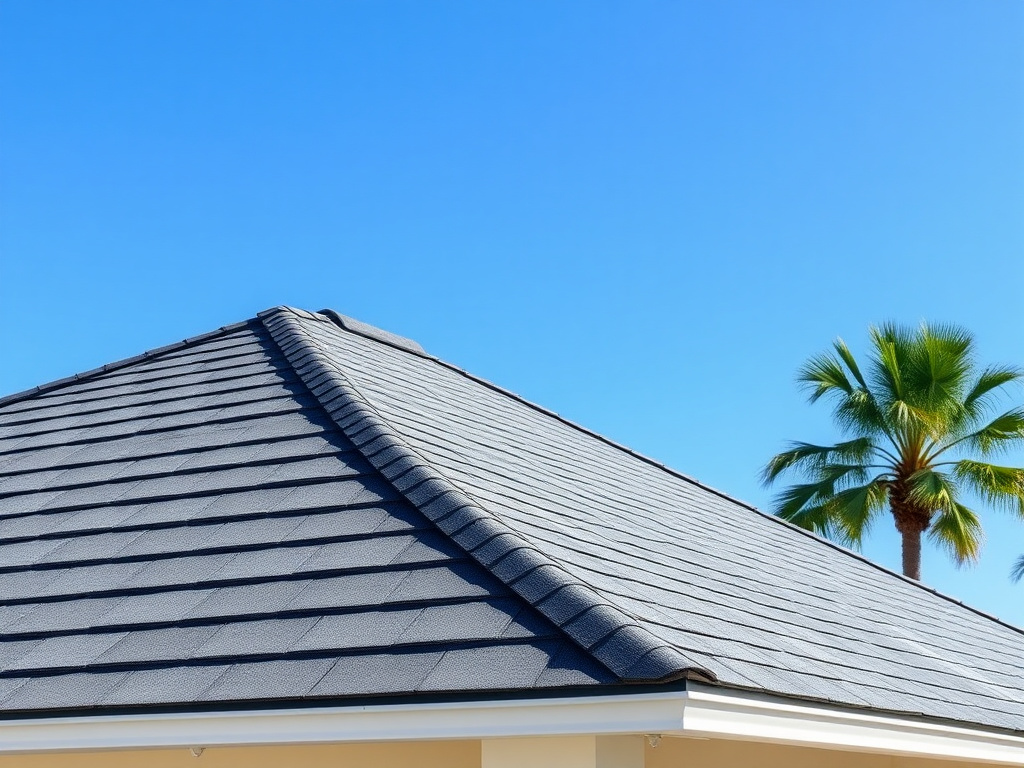
Florida is one of the most demanding climates in the country for roofing. Intense UV radiation, high humidity, frequent heavy rain, and annual hurricane threats wear on roofing systems faster than in most parts of the United States. For Daytona Beach and Volusia County homeowners, understanding when your roof needs replacement — and what to expect from the process — can save you thousands of dollars and significant stress.
How Long Does a Roof Last in Florida?
The honest answer: shorter than what the manufacturer's warranty suggests.
Asphalt shingles carry 25–50 year manufacturer warranties, but in Florida's climate, they typically deliver 15–20 years of reliable service. UV radiation degrades the asphalt and causes granule loss; humidity and temperature cycling cause shingles to become brittle and crack; and annual tropical weather events cause physical damage. A roof installed with a 30-year warranty in Florida often needs replacement at 15–18 years.
Metal roofing is the exception. Properly installed standing seam and metal shingle systems routinely last 50+ years in Florida. The higher upfront cost is offset by longevity, lower maintenance, and often reduced insurance premiums.
Tile roofing (concrete and clay) can last 25–50 years, though the underlayment beneath the tiles needs replacement every 15–20 years — a significant cost even if the tiles themselves are intact.
Flat roof systems (TPO, EPDM, modified bitumen) typically last 15–30 years depending on the system and quality of installation.
Signs Your Florida Roof Needs Replacement
1. Age-Related Deterioration
If your asphalt shingle roof is 15 years or older and showing any of the following, replacement is likely the better financial decision over continued repairs:
- Widespread granule loss — granules in gutters and at downspout outlets, bald patches on shingles
- Curling or clawing shingles — edges turning up or middle buckling down
- Cracked or brittle shingles — especially visible after cold nights or hard rain
- Moss or algae growth — indicates moisture retention and accelerated aging
2. Post-Storm Assessment
After any significant wind event or tropical storm, schedule a professional inspection even if you don't see obvious damage from the ground. Common post-storm issues that aren't visible without a roof inspection:
- Lifted shingles where the seal strip failed (water can enter even if the shingle looks flat)
- Cracked ridge cap shingles from wind pressure
- Failed flashing seals at vents and penetrations
- Hail damage (impact marks on shingles that show up as soft spots)
3. Recurring Leaks
If you've had the same area repaired multiple times and it keeps leaking, the underlying issue is likely systemic — failed flashing, compromised deck, or widespread shingle deterioration. Multiple repairs on an aging roof often signals that replacement is overdue.
4. Insurance-Driven Replacement
Florida's homeowners insurance market has become extremely sensitive to roof age. Many insurers now refuse to write or renew policies on homes with roofs older than 15–20 years. If your insurer is threatening non-renewal, or if you can't get competitive quotes because of your roof's age, replacement may be necessary to maintain coverage.
The 30% Rule
A commonly used guideline: if repairing your roof would cost more than 30% of a full replacement, replacement is usually the better investment. At that damage level, the rest of the roof is typically not far behind — you're paying for partial repairs on a system that will need full replacement within a few years anyway.
What Roofing Material Should You Choose?
Architectural Asphalt Shingles
The most popular choice for Daytona Beach homes. Modern architectural (dimensional) shingles offer:
- Wind ratings of 110–130 mph (look for Miami-Dade approval for maximum wind resistance)
- Algae resistance (important in Florida's humidity)
- Impact resistance ratings (some qualify for insurance discounts)
- 25–50 year manufacturer warranties (with 15–20 year realistic life in FL)
- Installed cost: $8,000–$18,000 for most Volusia County homes
Standing Seam Metal Roofing
The premium choice for longevity and hurricane performance:
- 50+ year lifespan
- Superior wind resistance (concealed fasteners, tested attachment systems)
- Solar heat reflection reduces cooling costs
- Many products carry high Florida Product Approval (FPA) wind ratings
- Often qualifies for insurance premium reductions
- Installed cost: $14,000–$30,000+ for residential
Metal Shingles
Metal durability with a more traditional appearance. Good option for HOA communities or homeowners who prefer a conventional roof look without sacrificing lifespan.
The Roof Replacement Process in Florida
Step 1: Free Inspection and Written Estimate
A licensed roofing contractor inspects your roof, documents the condition with photos, and provides a written estimate detailing materials, labor, and scope. This should be free and no-obligation.
Step 2: Permit Application
Florida requires a building permit for roof replacements. Your contractor files the permit application with the local building department (Volusia County Building Division or the applicable municipality). Permit turnaround typically runs a few days to a week.
Step 3: Material Selection and Scheduling
You review the estimate, select materials (shingle style, color, manufacturer), and schedule the installation. Most contractors require a deposit to order materials.
Step 4: Tear-Off and Installation
Installation day: the crew tears off all existing roofing down to the deck, inspects the deck for damaged or rotted boards (replaced as needed), installs new underlayment, and completes the new roof. Most residential replacements in Daytona Beach are done in one to two days.
Step 5: Building Inspection
The building inspector reviews the installation. In Volusia County, this typically happens within a few days of completion. Your contractor handles all scheduling and paperwork.
Step 6: Warranty Documentation
You receive your manufacturer warranty documentation and your contractor's workmanship warranty. Keep these on file — they're relevant to future insurance claims and real estate transactions.
How Insurance Claims Affect Roof Replacement
If a storm damages your roof, the replacement process runs parallel to an insurance claim. Key points:
- Call a licensed roofing contractor for an inspection before filing a claim — having professional documentation when you call your insurer strengthens your claim.
- Do not start repairs before the insurance adjuster visits.
- Your contractor can communicate directly with your adjuster to ensure all covered damage is documented.
- Florida law gives you the right to choose your own licensed contractor — you are not required to use a contractor referred by your insurance company.
Getting Started
If your Daytona Beach roof is 12+ years old, or if you've had storm damage, or if your insurer is pressuring you on roof condition, start with a free inspection. A licensed contractor will give you honest information about your roof's actual condition and remaining life — no pressure, no obligation.
Call 844-967-5247 or visit our free inspection request page to schedule your no-cost roof inspection anywhere in Volusia County.